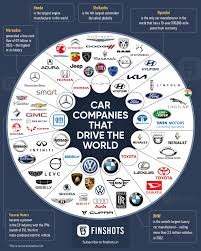
Overview of Global Car Industry
Global Car Industry defined by combustion engines, mass production, and mechanical engineering—has entered the most transformative era in its history. Today, the sector stands at the intersection of technological innovation, shifting consumer expectations, geopolitical tensions, and environmental urgency. From the rapid rise of electric vehicles to groundbreaking autonomous systems, the automotive landscape is evolving at a pace unseen since the birth of the mass-market automobile more than a century ago.Pakwheels
Electrification Becomes the New Normal
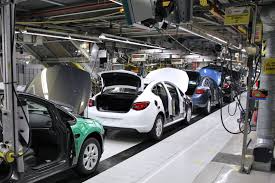
A defining force reshaping the global car industry is the widespread transition to electric mobility. Governments around the world are tightening emissions regulations, offering incentives for EV adoption, and outlining plans to phase out traditional internal combustion engines over the next few decades.
Automakers—from legacy giants like Toyota, Volkswagen, and Ford to newer disruptors like Tesla, BYD, and Rivian—are investing billions into battery technology, charging infrastructure, and scalable EV platforms. The race is no longer simply about producing electric cars; it’s about achieving breakthroughs in battery efficiency, range, recyclability, and cost.
As battery prices continue to fall and charging networks expand, electric vehicles are steadily moving from niche products to mainstream options. In key markets such as China and Europe, EVs are already reshaping competitive dynamics and consumer expectations.Pakwheels
Autonomous Driving: Innovation Meets Real-World Complexity
While electrification advances rapidly, autonomous driving is progressing more cautiously. Companies are testing various levels of self-driving capabilities, from advanced driver-assistance systems (ADAS) to fully autonomous robotaxis.
The promise is enormous: safer roads, reduced congestion, and radically new mobility services. Yet the challenges—technical, regulatory, and ethical—remain vast. Different countries are taking divergent approaches, and public trust must be earned. Still, the integration of AI, sensors, and real-time data is pushing the industry closer to a future where cars can anticipate hazards, map environments, and make decisions with minimal human intervention.Pakwheels
The Rise of Mobility-as-a-Service
A profound cultural shift is underway. Younger generations in urban areas are increasingly prioritizing access over ownership. This trend has fueled growth in ride-hailing services, car-sharing platforms, subscription models, and integrated multimodal transportation networks. Pakwheels
As mobility-as-a-service (MaaS) expands, automakers are redefining their identity: from product manufacturers to providers of holistic mobility solutions. Vehicles are now part of digital ecosystems, integrating apps, telematics, and cloud services to create smoother, more connected travel experiences.
China Takes Center Stage
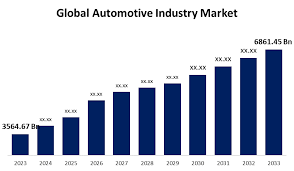
China has emerged as the world’s largest auto market and a powerhouse in electric vehicle production. Domestic brands like BYD, NIO, and Li Auto are no longer followers—they are innovators setting global standards in battery technology, smart dashboards, and cost-efficient EV manufacturing.
Chinese dominance in the raw materials and supply chains for lithium-ion batteries has added geopolitical weight to its automotive influence. Western automakers, faced with supply chain vulnerabilities, are rapidly diversifying their production and sourcing strategies.Pakwheels
Sustainability and Circular Manufacturing
Environmental pressure is reshaping every element of automotive production. Companies are adopting sustainable materials, renewable energy in factories, closed-loop battery recycling, and carbon-neutral manufacturing targets.
These changes reflect more than regulatory compliance; they represent a commitment to future-proofing operations in a world where consumers increasingly value ethical, eco-friendly brands.
Software Becomes the Soul of the Automobile
Cars are no longer just mechanical machines—they are rolling computers. Software defines everything from performance and safety to entertainment and connectivity. Over-the-air updates now allow manufacturers to improve vehicle functionality long after purchase, transforming the ownership experience.
This shift has triggered a fierce competition for software talent, driving collaborations between automakers and tech giants. Vehicles are evolving into digital platforms, capable of learning driver habits, interacting with smart homes, and participating in the broader Internet of Things (IoT).
Looking Ahead: The Next Decade
The global car industry’s future will be shaped by three forces:
-
Electrification at scale – cheaper batteries, better infrastructure, and green manufacturing.
-
Software-defined mobility – AI-enhanced driving, predictive maintenance, and seamless connectivity.
-
Resilient supply chains – regionalized production and strategic partnerships for critical materials.
As these forces converge, the industry will experience both fierce competition and unprecedented collaboration. The companies that thrive will be those willing to innovate boldly, adopt sustainable practices, and embrace the digital revolution transforming the very meaning of mobility.Visit Now